You’re Not Broken. You’re Just Disconnected.
/I’ve been around disconnection for as long as I can remember.
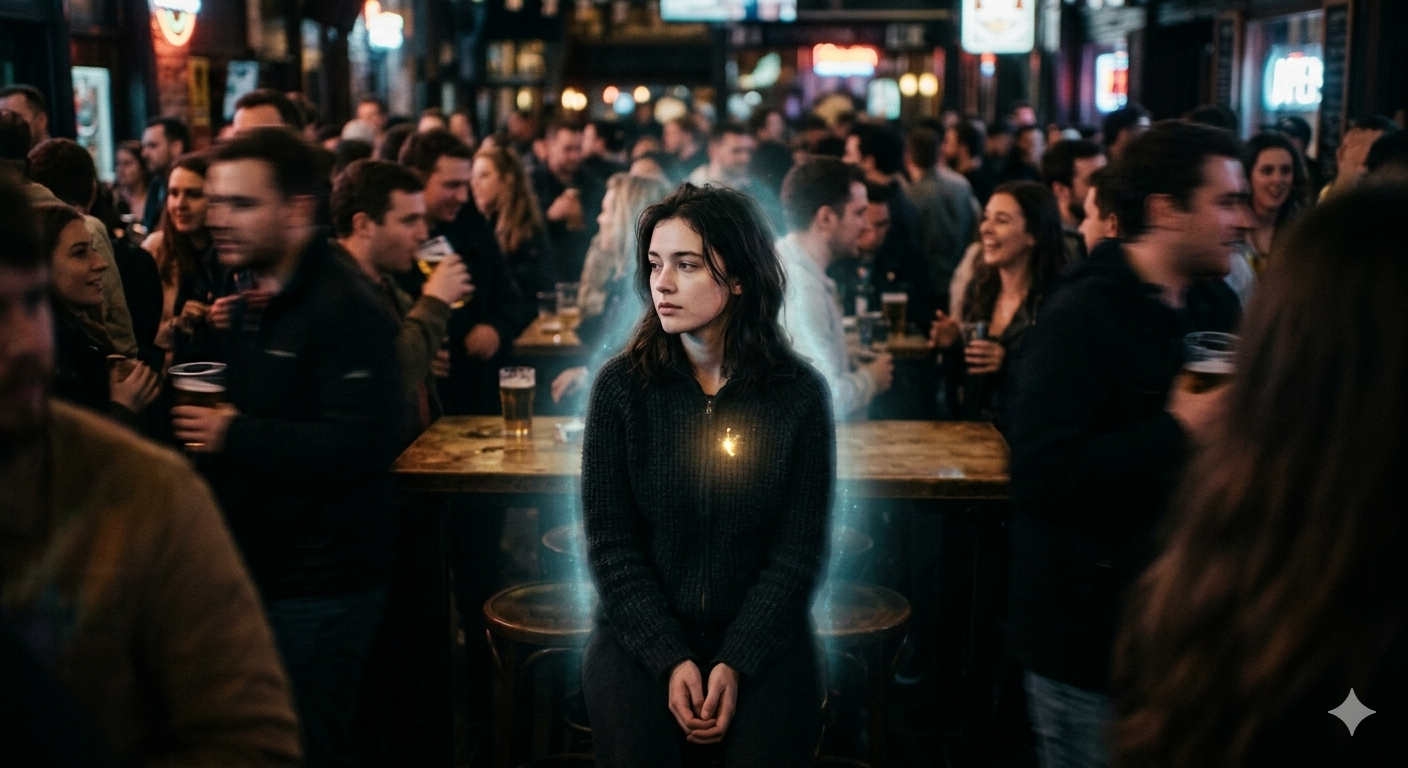
Before I had any clinical language for it, I knew what it felt like to be in a room where something wasn’t right. I heard it. I saw it. I sat in it. I remember sitting on the bed with my dad while he held a gun to his head, trying to understand something no kid should ever have to understand.
So, when I talk about disconnection, I’m not talking about a concept.
I’m talking about something I’ve seen up close my whole life—and something I’ve spent years helping people come back from.
When something overwhelms a person, they don’t lose themselves. They disconnect from parts of themselves just to get through it.
Sometimes it’s emotion. Sometimes it’s memory. Sometimes it’s the ability to feel close to others or to feel anything at all. You can still function like this. A lot of people do. But something important is offline.
We have clinical words for it: dissociation, trauma response, nervous system shifts. In more extreme cases, it can look like Dissociative Identity Disorder. I work in this space every day, and I know what it looks like when someone is split off from themselves in order to survive the overwhelming.
And when you’re sitting with someone in that space, it doesn’t just feel clinical. It feels like something inside of them got separated.
This is where I started thinking differently about heaven and hell. Not as places you go someday, but as something you can feel right here.
Hell, to me, is what disconnection feels like. It’s being cut off from yourself in a way that’s hard to explain. You can be around people and still feel alone. You can want connection and not be able to feel it when it’s right in front of you.
And then there are moments where that’s not the case. Moments where you’re actually present. Where you feel yourself. Where you feel another person and it lands. There’s an openness there—a kind of ease. You don’t have to force anything.
That’s what being alive feels like.

And it’s more than just connection to people; it’s connection to something deeper. To creativity. To energy. To that sense that life is moving through you instead of you just trying to get through the day. That’s the part I would call connection to divinity. Not in a rigid or performative way, but in a way where you feel plugged into something that creates, moves, and gives life.
When that’s there, people don’t just feel better. They feel inspired. They feel open. They create. They connect. They participate in their own life.
That, to me, is heaven.
I grew up hearing that the kingdom of heaven is within you. I don’t think that’s abstract. I think it’s about your ability to be connected—to yourself, to others, and to that source of life and creativity. When that ability gets disrupted, especially early on or in intense ways, it changes how someone moves through the world.
Not because they’re broken, but because their system learned that connection isn’t safe. So, it adapts. It shuts things down. It separates things out. It protects what it can.
That works when you’re in it. It’s the reason people survive things they shouldn't have had to go through. But later, that same protection can get in the way. Connection doesn’t come easily. Trust doesn’t feel natural. Even good moments can feel muted or hard to fully take in.
From the outside, it can look like someone is distant. From the inside, it’s often that something just won’t turn all the way on.
This is the work I do. I sit with people in that space.
Using trauma-focused approaches like EMDR and hypnotherapy, we go back to the moments where their system had to shut something down. We don’t force it. We don’t overwhelm it. We stay grounded while we approach it.
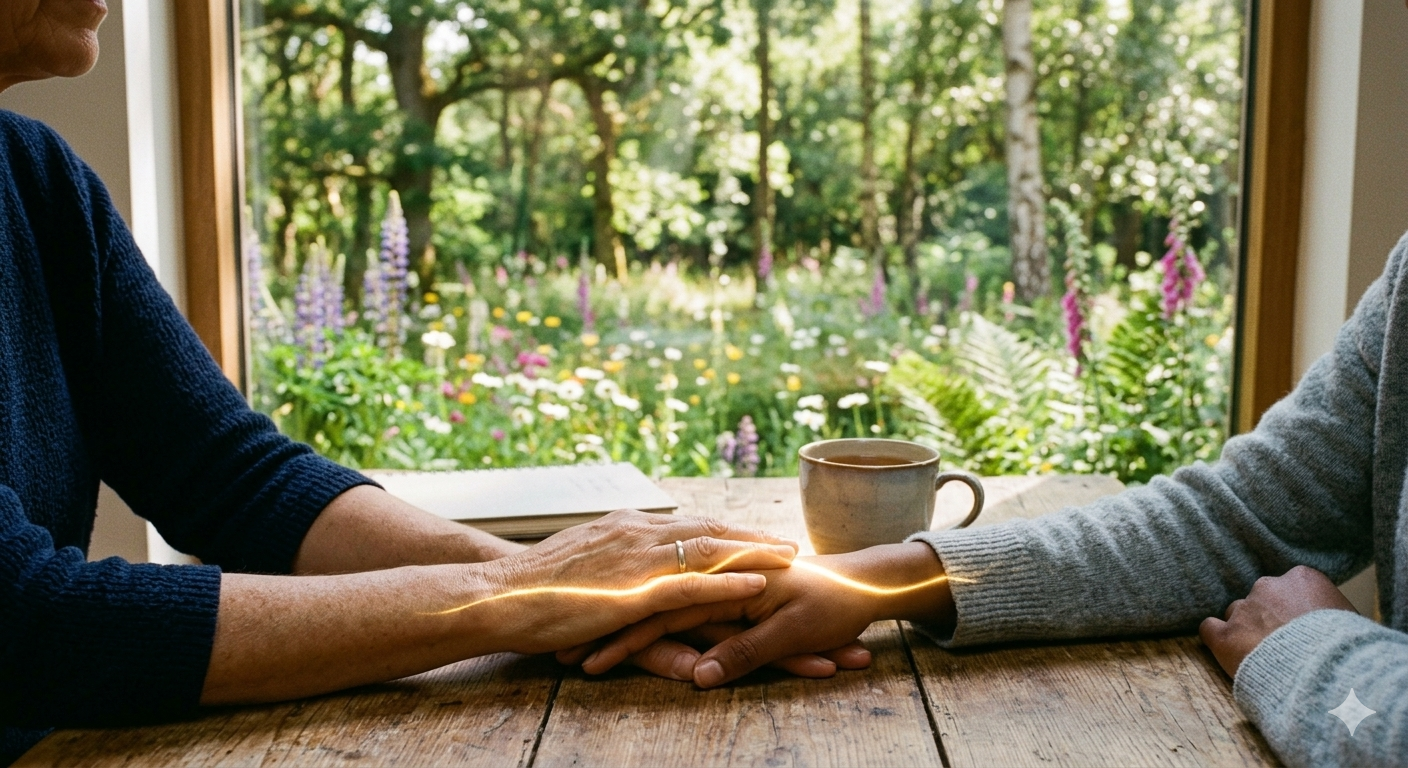
People sometimes describe this part as going back into hell. Not in a dramatic way, but in a real way. We are returning to the exact place where their system decided it wasn’t safe to stay connected. And instead of being alone in it this time, they’re not.
There’s awareness.
There’s steadiness.
There’s connection.
And something starts to shift.
The memory doesn’t disappear. What changes is how it’s held. What was overwhelming becomes something that can be processed. What was split off starts to come back. What was disconnected reconnects.
Nothing new gets added. It’s more like something that had to go quiet finally has the space to come back online.
I want to be clear about something: there’s nothing good about being hurt, especially when it happens to a child. It disrupts things at a level that can affect someone for a long time. But what I’ve seen over and over is that the person is still there.
What looks like loss is often protection. And what was protected can come back.
Sometimes the people who have had to find their way back into connection understand it in a way that’s very real. They don’t take it for granted. They know what it feels like when it’s gone, and they know what it feels like when it comes back. Not because what happened to them was good, but because they did the work of coming back to themselves.
If you feel disconnected, there’s nothing wrong with you. Your system did what it needed to do. And with the right kind of support, that ability to feel, to connect, to be fully here, and to create again can come back.
When it does, it doesn’t feel like becoming someone new. It feels like being here again.
I also want to connect this to Sacred Nature Weekend.
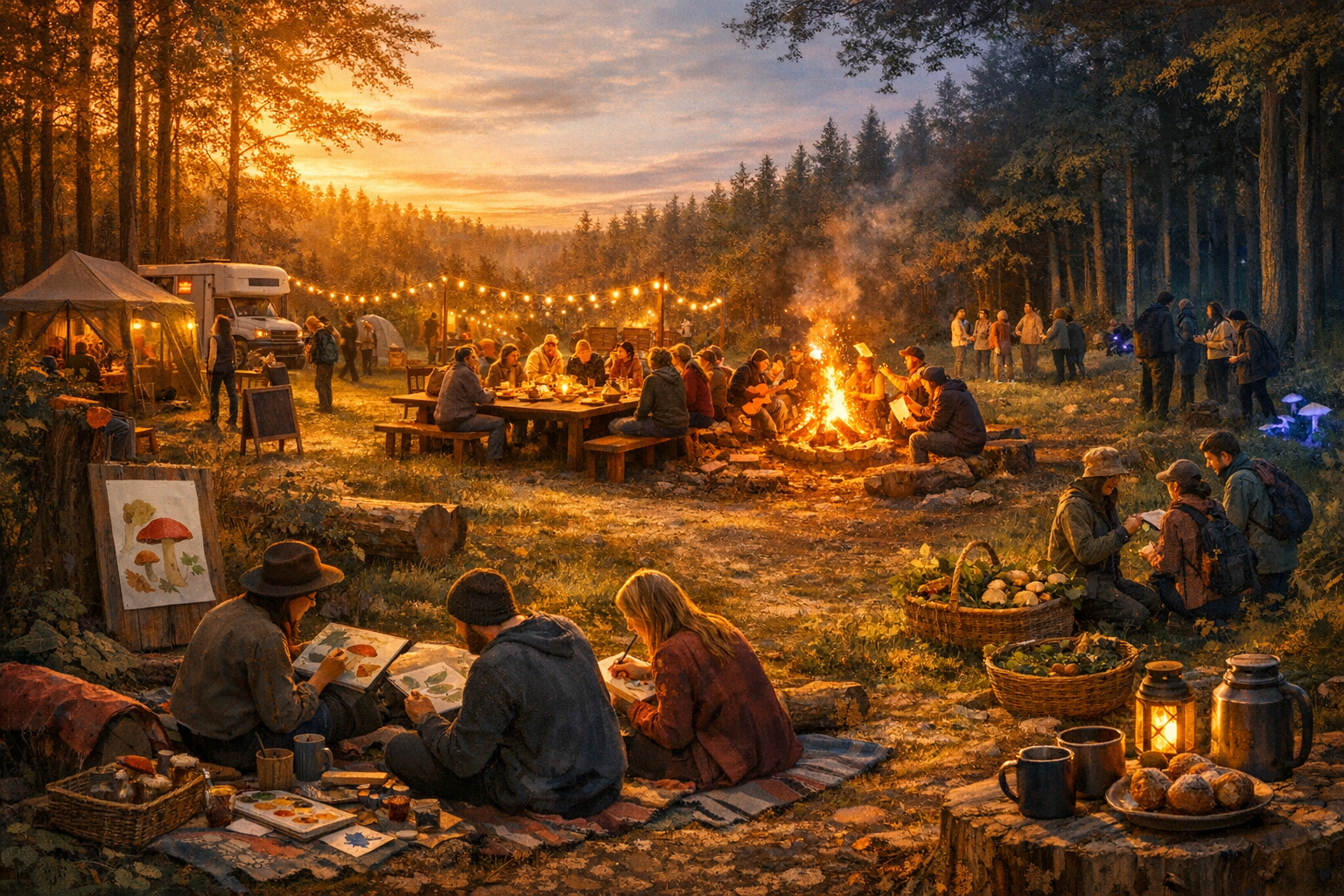
If someone has experienced trauma or feels disconnected from themselves, this is a space for them. That feeling of being cut off from your body, your emotions, or other people… we’re intentionally creating an environment that supports the opposite of that.
Everything about the weekend is designed to feel safe, grounding, and nourishing. No pressure, no forcing anything. Just an opportunity to reconnect in a way that feels natural.
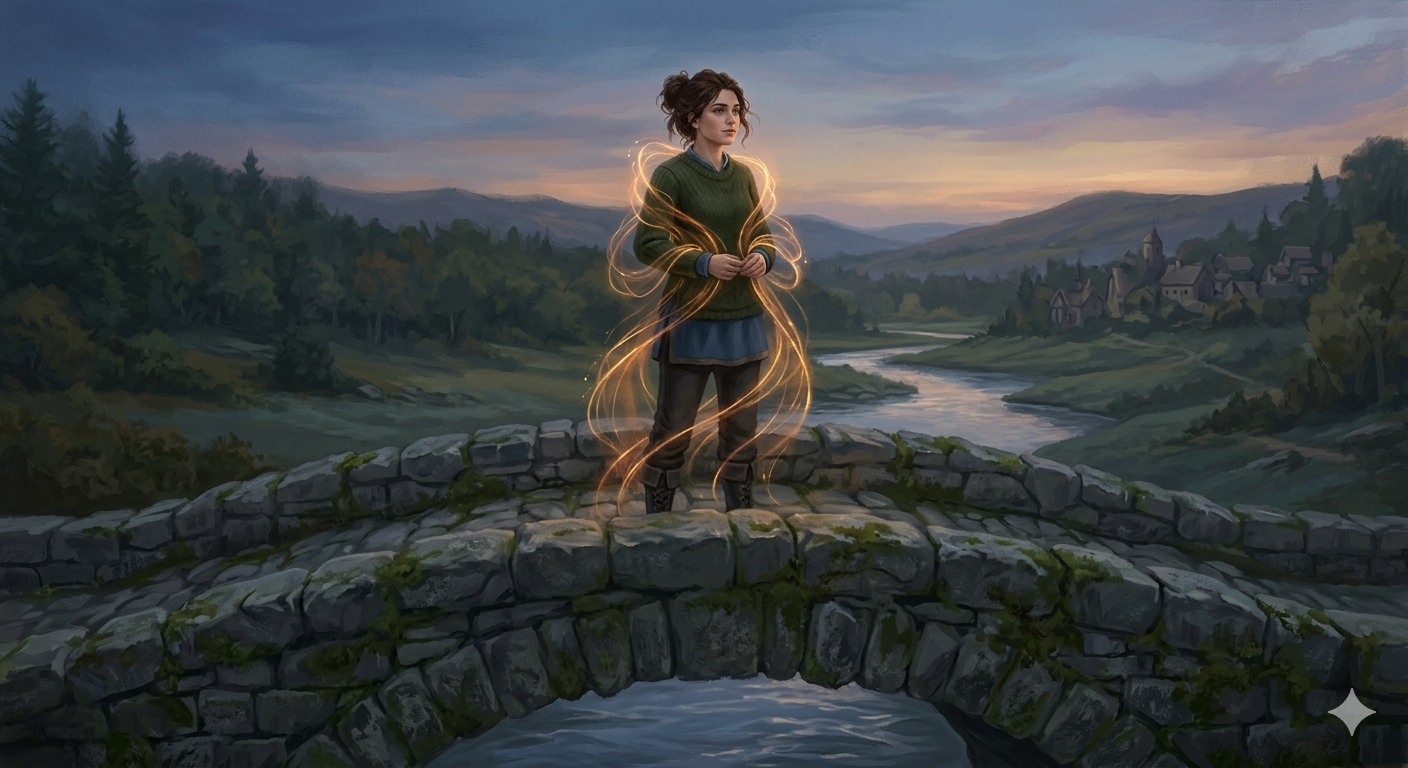
People who feel disconnected are not out of place here. They’re exactly who this space is for.
Healing is Not a Concept. It’s an Experience. 🧘♀️