Beyond the Bath Bomb: Why 2026 is the Year of Systemic Stress Management
/For years, the wellness industry has sold us a specific brand of "self-care" that looks like scented candles, expensive skincare, and aesthetic meditation corners. We were told that if we just breathed deeper, slept longer, and bought more, we could "fix" the stress of our high-pressure lives.
But as we celebrate Stress Awareness Month in 2026, the mask has finally slipped. The psychological community is undergoing a radical shift, moving away from the "Individual Responsibility" model of health and toward Systemic Awareness. We are witnessing the birth of Nervous System Sovereignty—the realization that true mental health isn't about how well you can soothe your symptoms, but how effectively you can modify your environment to protect your brain.
The Hijacking of the Wellness Industrial Complex
The primary reason "self-care" feels like it isn't working is that it has been hijacked by what researchers call the Wellness Industrial Complex. Critiques published in the Journal of Consumer Research (2025) highlight how self-care has been commodified into a $5 trillion industry. What was once a radical act of preservation has become a performance. Studies show that "performance-based self-care"—the act of documenting your wellness routine to meet social standards—actually increases cortisol levels. It adds another item to an already overflowing "to-do" list. Furthermore, recent studies in The Lancet Psychiatry suggest that while mindfulness is a valuable tool, it cannot mitigate the effects of an abusive, high-pressure, or toxic environment. It acts as a temporary buffer, not a cure. If the system is the problem, a pedicure is just a distraction.
Burnout: A Systemic Failure, Not a Personal Flaw
Perhaps the most significant shift in 2026 is how we define burnout. The World Health Organization (WHO) has officially updated its classification to emphasize burnout as an occupational phenomenon. This is a critical distinction: burnout is the result of chronic workplace stress that has not been successfully managed by the environment.
By placing the onus on the environment rather than the individual, we remove the "shame" factor. You aren't burned out because you aren't "resilient" enough; you are burned out because the system is demanding more than the human nervous system was built to provide.
This is compounded by what 2026 economic reports call "The Invisible Tax." Previous generations didn't have to manage the "Cognitive Overhead" of a digital-first existence—automated bills, constant two-factor authentication, side-hustle culture, and the mental load of 24/7 connectivity. This invisible tax drains our mental battery before we even start our workday.
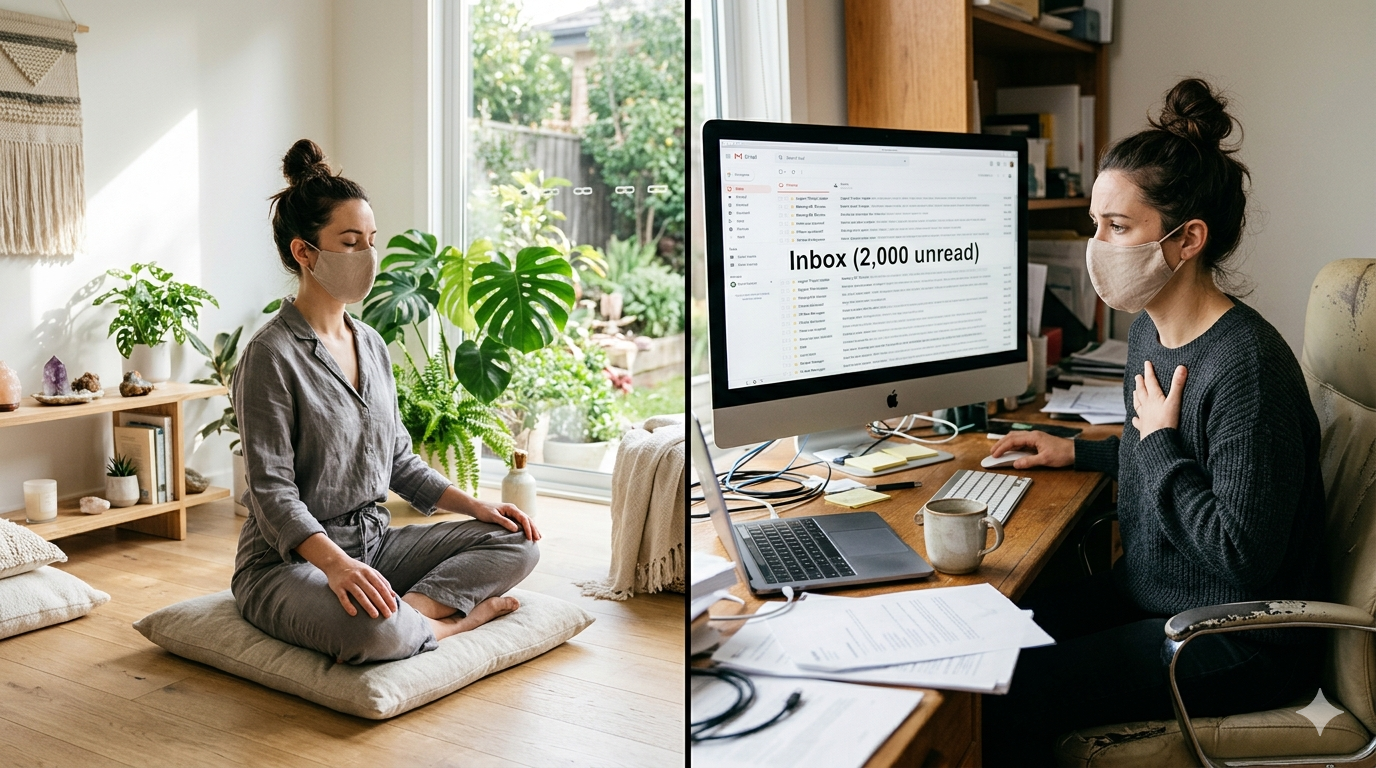
The Science of Cognitive Load: Why You Can’t "Think" Your Way Out
Behavioral economists from Harvard and Princeton have identified a phenomenon known as "Cognitive Tunneling." When the brain is overloaded by systemic stress—whether that’s financial anxiety or a crushing workload—it loses the ability to prioritize and think long-term.
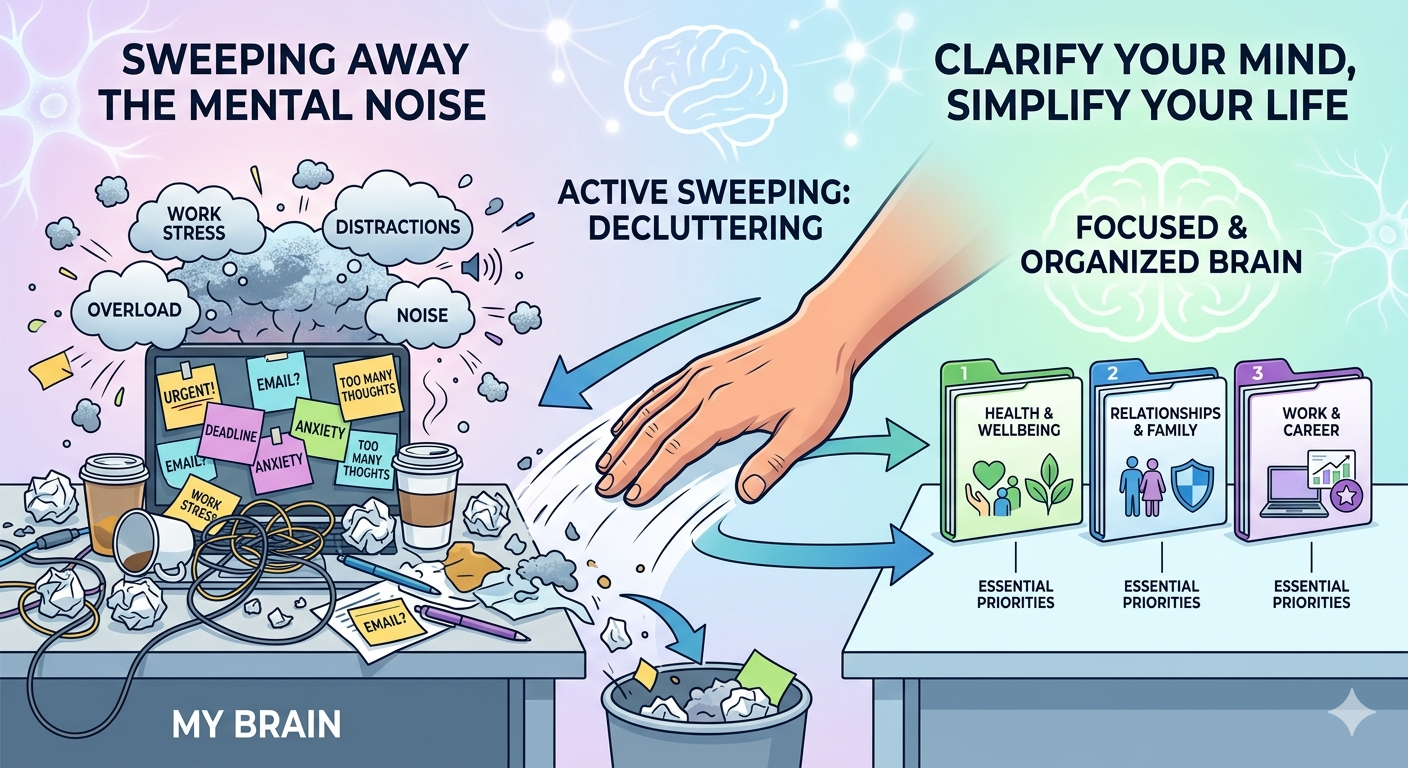
This is why, when you are stressed, you make poor decisions or find yourself "paralyzed" by simple tasks. Your brain is stuck in survival mode, dedicating all its resources to "survival math." In 2026, we are seeing a trend called "The Great Audit." Social psychologists are tracking a massive movement where individuals are ruthlessly auditing their mental capacity.
Instead of adding more soothing activities to their lives, they are applying Decision Theory: the understanding that long-term stability only comes from removing stressors. It’s the difference between a temporary relief and a sustainable reset.
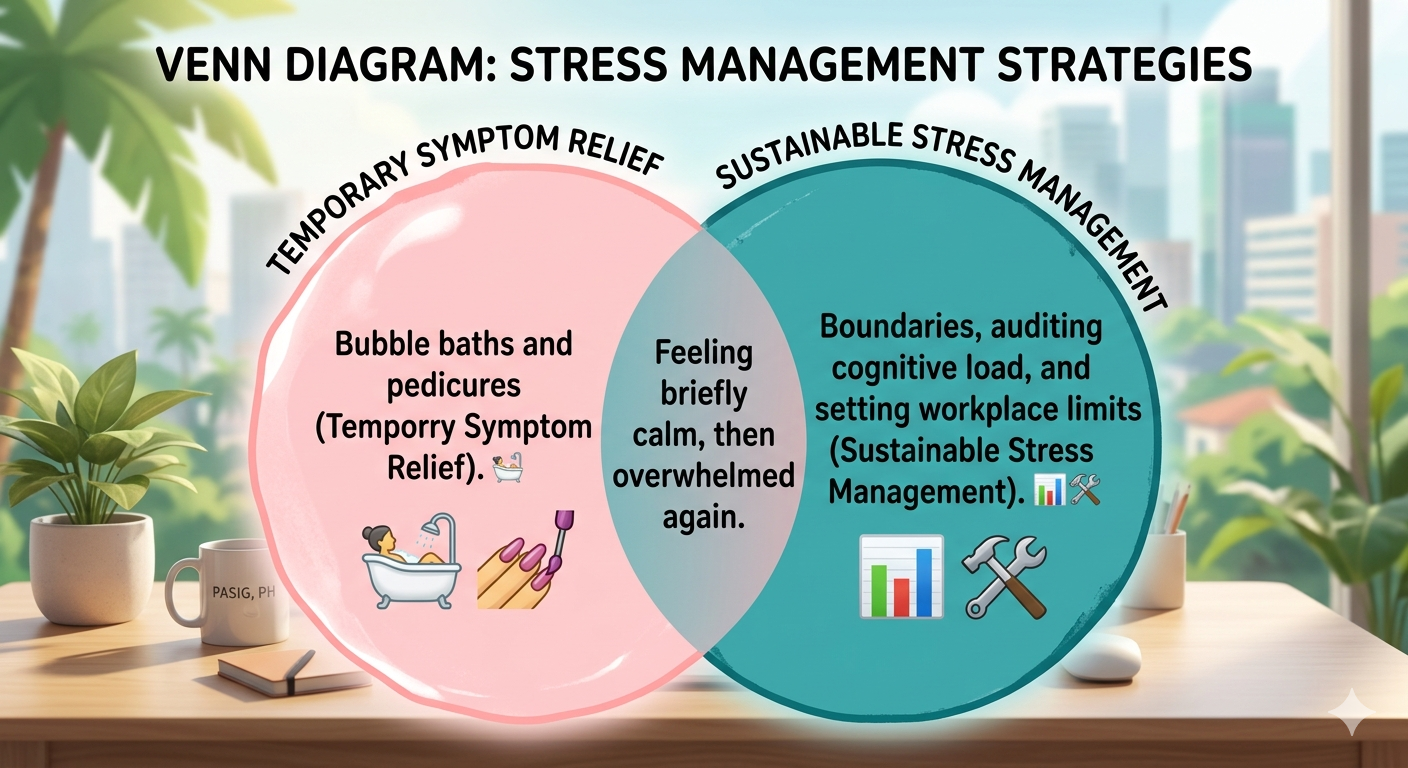
Boundaries as a Medical Necessity
In the past, "setting boundaries" was often seen as a social skill. In 2026, it is recognized as a clinical intervention. New research in Neuro-Affirming Therapy proves that for neurodivergent adults, boundaries are a medical necessity for sensory safety. Without them, the brain is in a constant state of inflammation and alarm.
The American Counseling Association (ACA) recently highlighted that the most effective form of "self-care" is actually Environmental Modification. This means changing your physical surroundings, your digital intake, or your professional schedule to match your biological capacity. It is a shift from internal emotional regulation to external structural change.
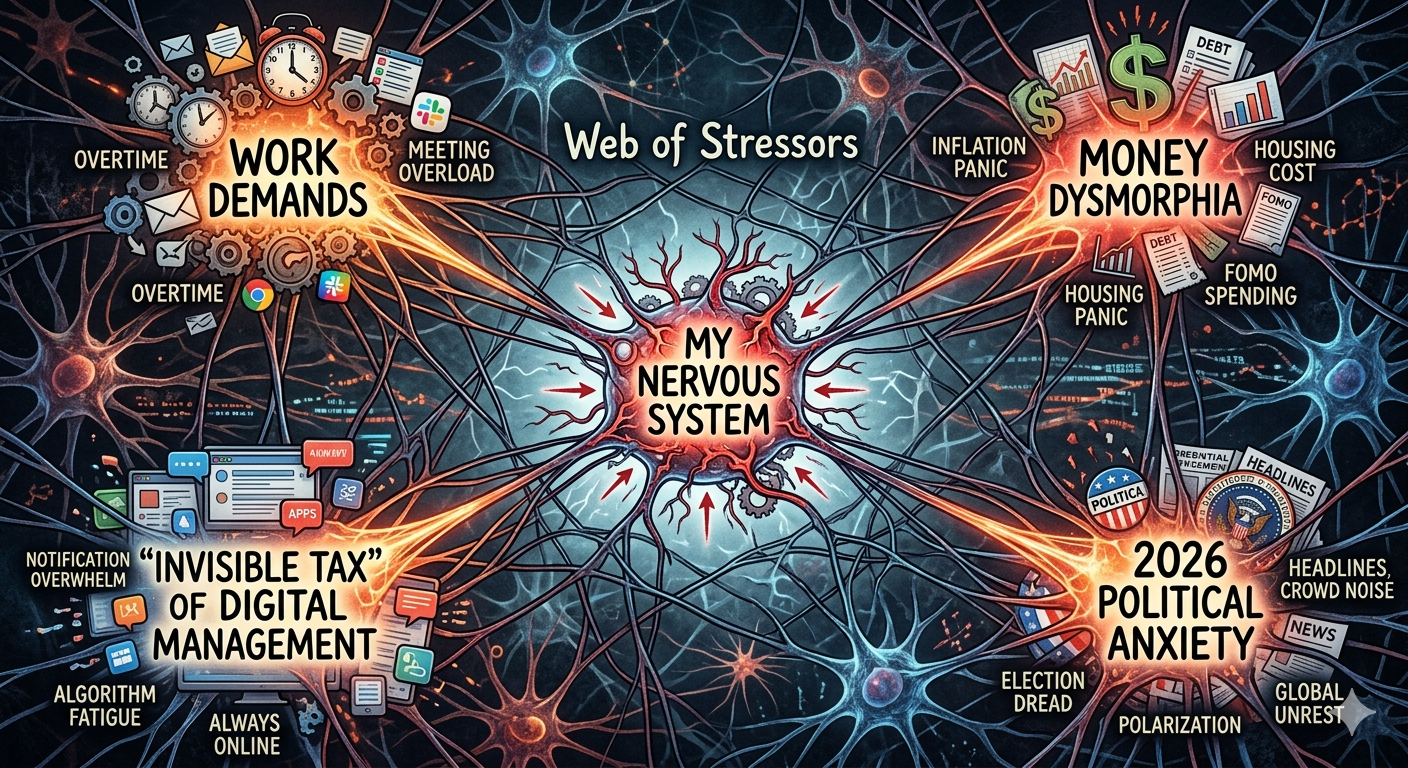
Reclaiming Your Sovereignty: The Forward Counseling Approach
At Forward Counseling, we have moved beyond the "bubble bath" model of therapy. We believe that to truly heal, we must address the systemic roots of your stress. This is why we offer a dual-support system:
Clinical Therapy: To process the root trauma of people-pleasing, perfectionism, and the "money scripts" that keep you in a scarcity loop.
Strategic Life Coaching: To help you perform a "Cognitive Audit," set workplace limits, and build a life that honors your unique wiring.
We don't just teach you how to breathe through the panic; we help you build a life where the panic doesn't have a seat at the table.
Conclusion: The Structural Pivot
According to recent 2026 reports, 72% of the stress we feel is linked to "Systemic Cognitive Load." We are living in a high-demand world that doesn't account for human biology.
This Stress Awareness Month, give yourself permission to stop "performing" self-care. Stop trying to meditated away a broken system. Instead, begin the work of Nervous System Sovereignty. Audit your load, set your boundaries, and realize that your worth is not measured by how much systemic pressure you can withstand.
You aren't failing. The system is just too heavy. Let’s build a structural pivot together.

Ready to move from survival to sovereignty? Connect with a therapist or life coach at Forward Counseling who specializes in systemic burnout and neuro-affirming care. 🏛️🚀🧘♀️