Empowering your path to healing: Thrive with Amanda Salas, MSSW
/In today's high-stress landscape, finding a judgment-free space to heal can feel like a rare luxury.
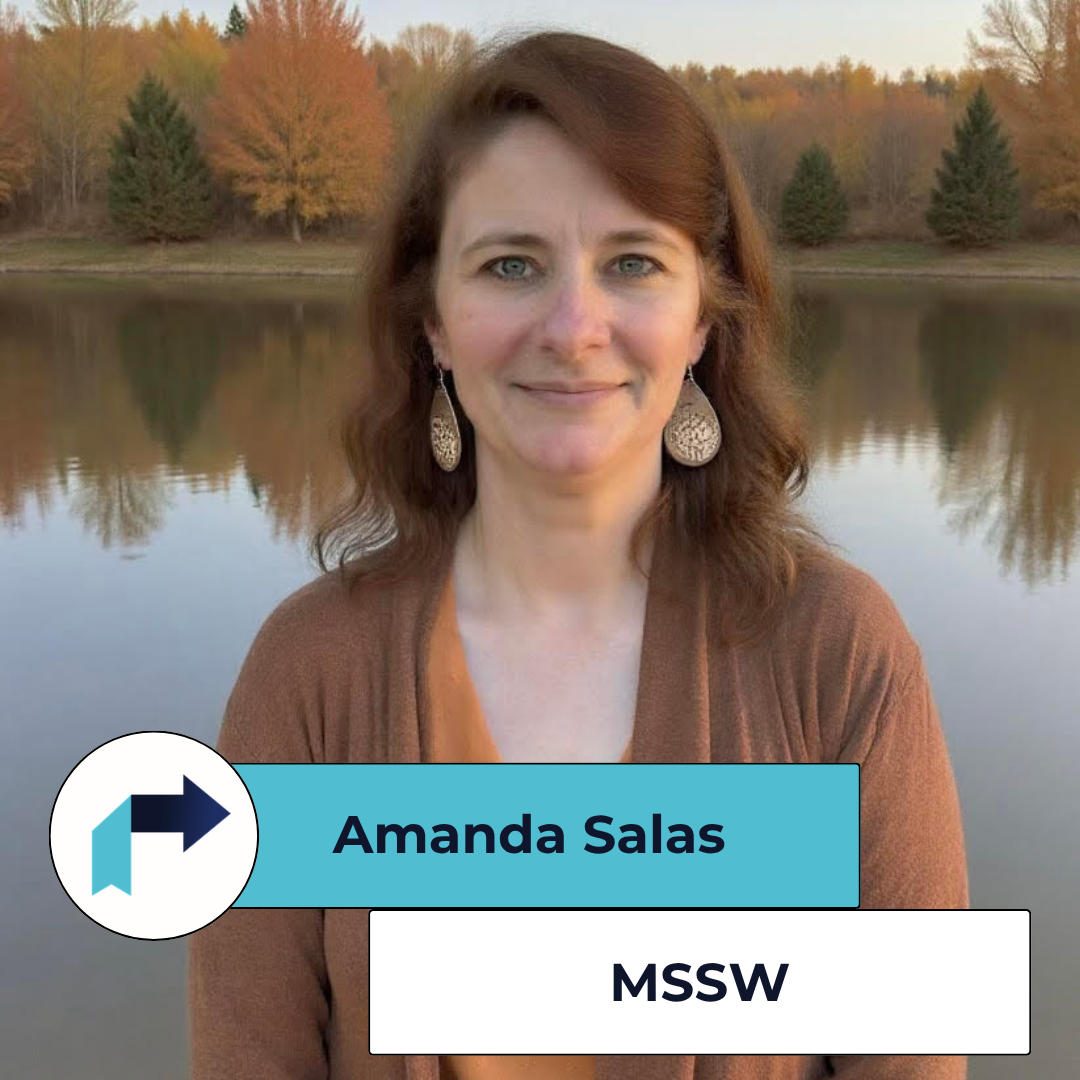
Amanda Salas, MSW, a dedicated new teletherapy provider at Forward Counseling, has made it her mission to build exactly that—a "Safe Harbor" for individuals, children, and families navigating life's most daunting challenges.
Utilizing a personalized blend of CBT, DBT, trauma-informed care, and Internal Family Systems (IFS), Amanda avoids one-size-fits-all formulas to meet clients exactly where they are.
Below, our in-depth Q&A explores her clinical philosophy, her specialized work in trauma and play therapy, and her deep commitment to fostering nervous system sovereignty.
1. What inspired you to become a mental health therapist, particularly an MSW?
I was inspired to become a mental health therapist, and specifically to pursue my MSW, because I have always loved helping people. My own experiences as a child with social workers had a major impact on me and inspired me to become the kind of professional who makes a positive difference in people’s lives. I wanted to provide the support, understanding, and care that I felt was sometimes missing in my own childhood experiences. Mental health has always fascinated me—especially how deeply connected our thoughts, emotions, experiences, and environments are. I believe that by understanding those connections, people can learn healthy ways to cope with and live alongside their unique mental health challenges. Becoming a social worker allows me to support individuals on that journey while helping them recognize their inherent strengths, resilience, and capacity to heal.
2. How do you practically build that "Safe Harbor" for a client who arrives feeling judged or misunderstood?
I build a "Safe Harbor" for clients by first listening without judgment and allowing them to be the expert of their own life and journey. I believe clients know themselves best, so I focus on creating a space where they feel heard, respected, and understood. I ask intentional questions to gain clarity and ensure I fully understand their experiences from their point of view, rather than making assumptions. I also work to find common ground and build genuine connections so clients feel more comfortable opening up. Ultimately, I strive to cultivate an environment that feels warm, inviting, and safe both emotionally and physically, allowing clients to share openly without fear.
3. You describe it as a "true honor" to walk alongside your clients. How does that mindset of mutual respect change the dynamic of the therapy room?
When you truly honor your client’s perspective and recognize them as the expert in their own life, it completely transforms the dynamic of the therapy room. Clients begin to see therapy as a true partnership, rather than feeling like someone is dictating how they should live their life. When people feel empowered and in control of their own destiny, they are far more likely to make meaningful and lasting changes. Anyone can follow a rigid list of instructions, but their heart is rarely invested in those changes. When clients have genuine buy-in and are emotionally connected to their goals, the transformations tend to be deeper, more authentic, and much longer-lasting. Mutual respect creates the trust, openness, and collaboration necessary for clients to recognize their own strength and ability to grow.
4. With a background in CBT, DBT, and Internal Family Systems (IFS), how do you decide which actionable tools will best serve a specific client’s daily regulation?
Because I pull from CBT, DBT, trauma-informed care, and Internal Family Systems (IFS), I firmly believe there is never a "one-size-fits-all" approach to therapy. Every client is different, so the tools and strategies that work best depend on the individual person, their lived experiences, and the direction they want their healing journey to take. I work collaboratively with clients to determine what actionable tools will best support their daily regulation and overall goals. Sometimes a single therapeutic approach is the best fit, while other times it takes a sophisticated combination of techniques from multiple modalities to meet their needs. Therapy should be flexible and personalized; by listening to what truly resonates with the client, we can build practical coping skills that feel meaningful, sustainable, and effective in everyday life.
5. You utilize psychoeducation to help clients understand their inner world. Why is understanding the "why" such a powerful first step toward systemic change?
I believe psychoeducation is an incredibly powerful tool because, as humans, we naturally want to understand the "why" behind our thoughts, emotions, behaviors, and experiences. When clients begin to understand why a certain reaction is happening or why they respond in specific ways, it immediately reduces shame, confusion, and self-judgment. Understanding the "why" creates cognitive awareness, and awareness is always the first step toward meaningful, systemic change. Once clients can recognize their internal patterns, triggers, and underlying causes, they are better equipped to make intentional choices and develop healthier ways of responding. Deeper self-understanding naturally leaves people feeling more empowered and motivated to grow, heal, and succeed.
6. As a Certified Clinical Trauma Professional, how do you help clients navigate the "echoes of past trauma" without feeling overwhelmed by the process?
I help clients understand that healing from trauma is a gradual process and that they do not have to face everything all at once. I often explain that, like many daunting things in life, healing begins with baby steps. I work with clients to start by addressing smaller traumas or experiences that do not feel as emotionally overwhelming. As they begin processing those lighter experiences, they build internal confidence, emotional regulation skills, and trust in both themselves and the therapeutic process. Over time, we gradually and safely work toward addressing the deeper, more complex traumas. This step-by-step pacing prevents the nervous system from becoming flooded while simultaneously teaching sustainable coping strategies and resilience. The ultimate goal is to equip them with the tools and confidence to navigate future challenges in an empowered way.
7. How does play therapy help children express what they might not yet have the words for?
Play therapy is profoundly effective because play is one of the earliest and most natural forms of communication children use. Through play, children naturally communicate their complex emotions, fears, relationships, and perspectives in ways they may not yet be able to verbally explain. By carefully observing what a child does and says during play, we can learn a great deal about their inner world and how they view the environment around them. Furthermore, play therapy creates seamless opportunities to teach important boundary lessons and coping skills in a way that feels organic and engaging for the child. This neuro-affirming approach can be especially helpful for children—and even some adults—who feel reluctant or uncomfortable with traditional talk therapy. Instead of feeling interrogated, they can relax, engage, and communicate freely while doing vital therapeutic work without pressure.
8. For mothers and families navigating the stressors of the 2026 landscape, how does family therapy help create a more regulated home environment? As society continues to evolve, we have become increasingly aware that some of the "old-school" ways of rigid parenting often caused more emotional harm than good. Many people tend to parent either exactly the way they were raised or they swing completely in the opposite direction. Family therapy helps households find a healthy, customized balance between traditional structure and progressive emotional awareness in a way that best fits their unique dynamic. It also helps family members clearly understand their roles within the household and how those roles impact one another. Through improved communication, emotional intelligence, and collaborative problem-solving, families learn how to support each other through shared stressors. Creating a space where every family member feels heard builds a more regulated, connected, and supportive home environment where healthy patterns can flourish.
9. You are passionate about advocating for those who feel misunderstood. What advice do you have for parents struggling to connect with an adolescent who is acting out or withdrawing?
My first piece of advice for parents is simply to practice patience. The teenage years can be exceptionally difficult for both adolescents and parents, and at times it can truly feel like you are speaking two completely different languages. It is vital to remember that many teenagers who withdraw or act out are simply trying to express that they do not feel heard or understood. As parents, we may believe we are listening, but often we are filtering our child's words through our own perspective instead of genuinely understanding theirs. Taking the time to actively listen without immediately reacting, correcting, or judging can make a massive difference in helping an adolescent feel safe enough to lower their walls. Working with a therapist can bridge this communication gap, helping both parties decode each other's "language". Because behaviors are simply a form of communication, learning to understand what a child is expressing through their actions provides invaluable insight into what they are struggling to say out loud.
10. You believe growth often emerges from difficult moments. Can you share how therapy acts as a bridge during those "daunting challenges"? Everyone needs someone they can talk to and safely vent to—someone they trust who can offer objective guidance. For many, that support system is readily present in their lives. However, some individuals do not have that person available, or they lack a sounding board who can help them navigate crisis in a healthy, constructive way. This is precisely where therapy becomes a powerful bridge. A therapist provides a confidential, non-judgmental space where clients can express themselves freely without fear of their experiences being shared elsewhere. Within that protected space, clients are heard, validated, and supported while receiving practical tools to work through what they are facing. Ultimately, therapy helps individuals move through difficult moments by offering both deep emotional support and tactical coping strategies, allowing them to feel less alone and more empowered.
11. As a virtual provider, how do you maintain a deep, compassionate connection with clients through a screen?
Screens can sometimes feel clinical or even intimidating when it comes to doing therapy sessions, especially for clients who are completely new to virtual care. As a provider, I approach the technology side of telehealth with immense patience and openness. To maintain a deep and compassionate connection, I focus entirely on meeting clients exactly where they are—both emotionally and practically. I remain flexible as we navigate the virtual space together, and I am always open to learning from my clients if they have specific preferences that help them feel more comfortable. I also implement small, intentional touches to create an inviting environment, such as adjusting my background to something calming or familiar to the client, and encouraging them to do the same. These simple adjustments, paired with unwavering active presence, create a genuine sense of safety and warmth even across a digital distance.
12. For a new client, what can they expect during their first collaborative session with you?
In our first collaborative session, I start by clearly explaining what you can expect from the therapy process and making dedicated space to answer any questions you may have. I want my clients to feel informed, comfortable, and prepared from the very beginning. I then take the time to actively listen to your immediate concerns, needs, and overarching goals. This helps me fully comprehend what brought you to therapy and what you hope to achieve. Together, we begin co-creating a therapeutic plan that provides clear direction and structure for our work moving forward. This plan is highly collaborative, meaning it directly reflects your authentic voice and priorities as much as clinical guidance. Before the session ends, I also ensure you know exactly how to reach me if an urgent need arises, so you feel completely supported between sessions.
13. What is the one thing you hope every client walks away with after working with you?
The main thing I hope every client walks away with is a profound understanding of the therapeutic process and how it can continuously support their growth and long-term healing. Whether they continue working with me or eventually transition to another specialist, I want them to feel deeply informed, empowered, and articulate about what they need moving forward. My ultimate goal is for them to leave therapy with a stronger sense of self-awareness, unshakable confidence in their ability to navigate adversity, and a clearer direction for their continued journey.
14. What is your ultimate goal for a client who is just starting their first session with you today?
My absolute goal for a client starting their very first session with me today is to ensure they walk away knowing they are in the exact right place to receive the support they deserve. I want them to begin developing a clear, realistic sense of what they hope to gain from therapy and what their goals may look like moving forward. Just as importantly, I aim to immediately begin building a strong therapeutic alliance rooted in safety, absolute trust, and genuine collaboration. Establishing that secure connection early on creates the baseline foundation where meaningful, transformative work can take place.
Amanda’s integrated approach to trauma-informed care and Internal Family Systems serves as a powerful reminder that symptoms are not problems to be aggressively erased, but signals from the nervous system asking to be understood. By helping clients—from children aged 5 to adults—connect deep internal insights with everyday action, she facilitates a shift from reactive, shame-based survival mode into intentional, values-driven living. True healing is not about altering who you are; it is about extending compassion to the parts of yourself that learned how to adapt and protect you along the way. If you are ready to step out of isolation and into a collaborative partnership built entirely around your autonomy, Amanda is ready to meet you exactly where you are.
⚡ Take control of your healing journey today. Whether you are looking to cultivate a more regulated home environment for your family or seeking a compassionate virtual space to process personal trauma, our team at Forward Counseling is here to support you. Amanda Salas offers flexible teletherapy sessions throughout the week, including extended Saturday hours, making high-level clinical care fit seamlessly into your life. 💻🗓️
📞 Call or Text: 901-930-7397
🌐 Secure Your Virtual Session:
Visit forwardcounseling.com/contact to connect with Amanda and take your first step toward true nervous system sovereignty.