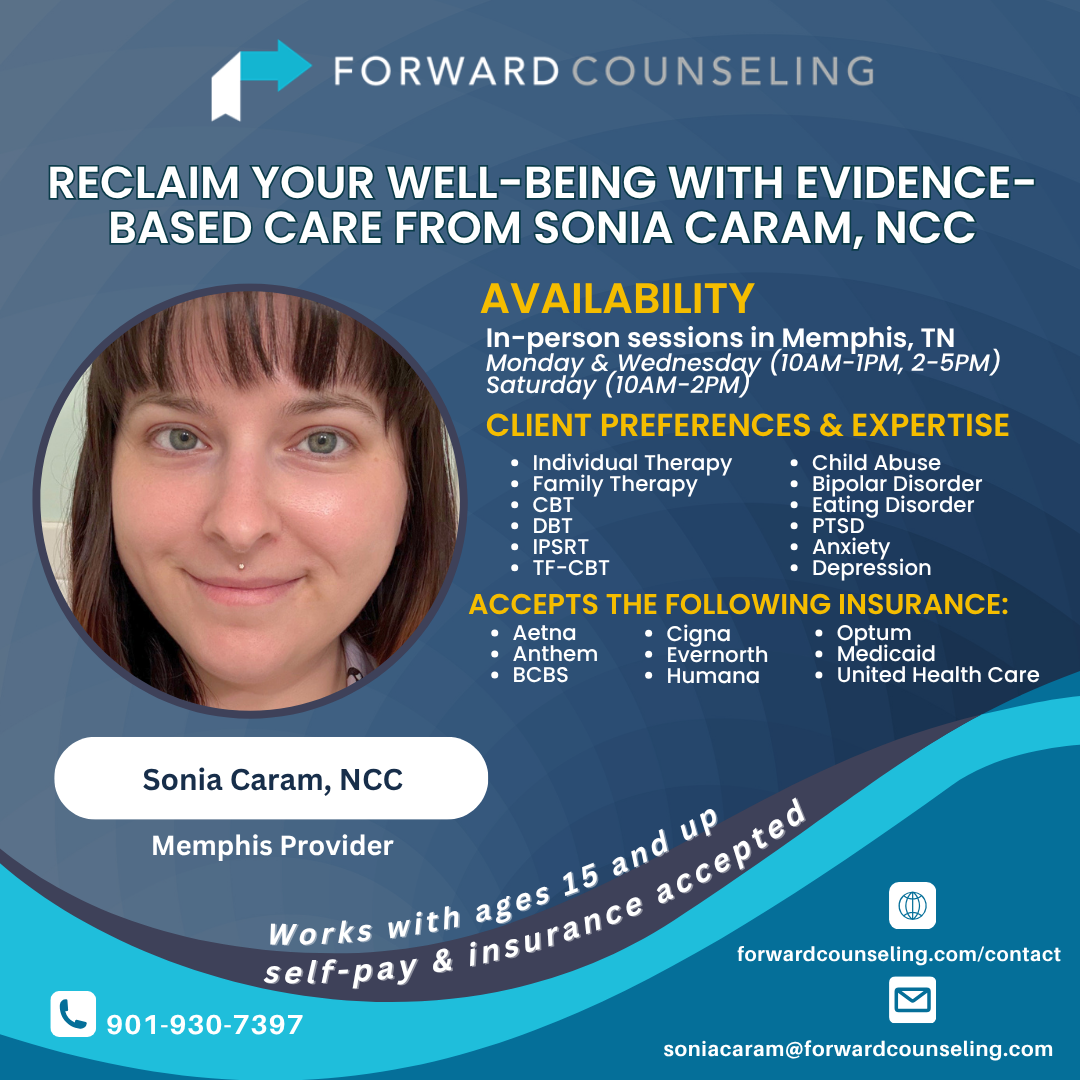
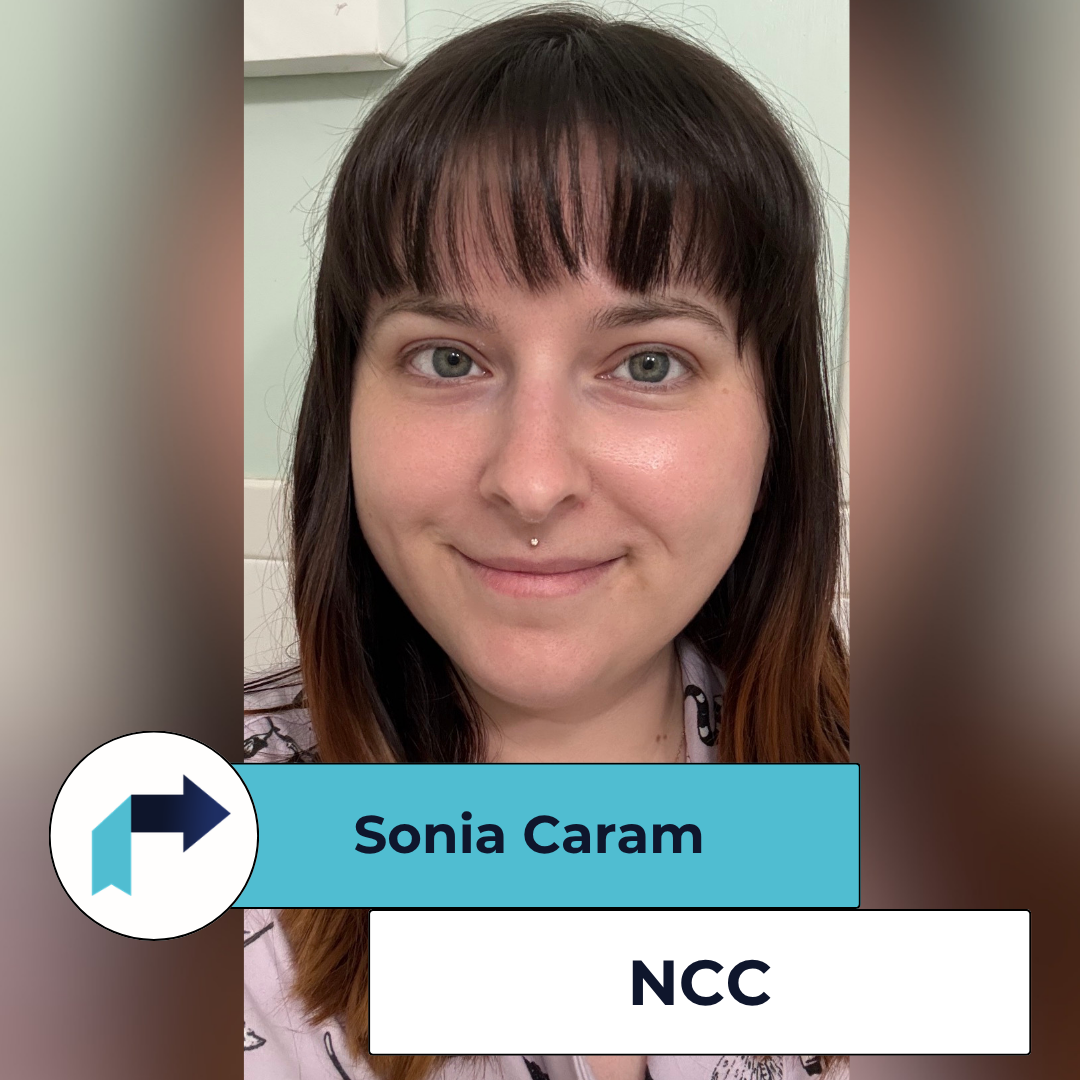
Reclaim your well-being with evidence-based care from Sonia Caram, NCC
/
In the high-pressure landscape of 2026, navigating mental health struggles can often feel like an isolating battle against an "invisible tax" of stress and trauma.
Sonia Caram, NCC, is a dedicated mental health counselor who believes that the way forward is through partnership. Deeply rooted in evidence-based practices, Sonia’s approach is a sophisticated blend of Cognitive Behavioral Therapy (CBT), Dialectical Behavior Therapy (DBT), and mindfulness.
By fostering a collaborative space for growth, she empowers her clients to explore their personal narratives, develop practical coping strategies, and master the emotional regulation needed to move forward with clarity.
This Mental Health Awareness Month, we dive into a Q&A to better understand her clinical philosophy and the specialized tools she uses to support her clients.
1. What inspired you to become a mental health therapist, particularly an NCC?
I was inspired to become a mental health therapist by my genuine interest in psychology and mental health disorders. I have been studying these topics since high school and wanted to help people using the knowledge I acquired throughout my personal and professional research.
2. You describe healing as a "partnership." Why is this collaborative approach so essential to your practice?
Collaborating with my clients is essential because every individual deserves autonomy over their life and treatment. My clients know themselves best; I am here to help them navigate the mental health care that works most effectively for them.
3. With your specialized IPSRT training, how do you help clients with Bipolar Disorder find stability and rhythm in their daily lives?
I believe the concept of Interpersonal and Social Rhythm Therapy (IPSRT) is useful for everyone because it is based on structuring your life around social connections and a daily routine that works for you. IPSRT is particularly effective in treating bipolar disorder because it helps manage or prevent mood swings by utilizing routine, relationships, and an individual’s unique mental health history.
4. For a new client, what can they expect during their first collaborative session with you?
During our first session, we will discuss your history and therapeutic expectations while setting collaborative goals for our time together.
5. What does it mean to you to create a safe, supportive space for someone navigating a life transition?
Creating a safe, supportive space means providing active listening, non-judgment, and genuine curiosity about each person’s experience. Because life transitions can destabilize one’s identity and routine, I focus on helping clients feel seen and grounded while they process change.
6. How do you specifically combine CBT, DBT, and mindfulness to facilitate lasting change for your clients?
I integrate these approaches uniquely for each client, as different people respond to different methods. Generally, CBT helps clients identify and reframe unhelpful thought patterns, DBT provides tools for emotional regulation and distress tolerance, and mindfulness builds core awareness. Combined, these shift clients from automatic, reactive patterns toward more intentional, values-driven responses.
7. As a provider trained in TF-CBT, how do you help individuals with PTSD move from survival mode back into a place of empowerment?
I begin by helping clients understand how trauma impacts the brain and body, which helps normalize their responses. We then build coping skills to stabilize emotions before gradually processing the trauma narrative at a manageable pace. The goal is to help them reclaim a sense of control, reduce avoidance, and reconnect with parts of themselves that trauma may have overshadowed.
8. You work with clients ages 15 and up; how do you help older teens navigate the unique stressors of the 2026 landscape?
I believe the most important part of counseling teens is listening and validating their experiences. Most teens are capable of figuring out what is best for them when given a safe space to explore their thoughts. I focus on helping them develop their identity, boundaries, and emotional resilience while providing practical tools to manage comparison, burnout, and information overload.
9. How do you help clients build the practical skills needed to manage the extremes of anxiety and depression?
I work with clients on breaking overwhelming experiences into manageable steps, challenging cognitive distortions, and using behavioral activation to re-engage with life. We also practice emotional regulation skills so they can respond to distress without becoming consumed by it.
10. What is your core clinical approach when working with individuals seeking to recover from an eating disorder?
While CBT is the most common approach for eating disorders, I am exploring alternative methods, such as schema therapy, due to the low long-term success rates of traditional treatments. Simply put, my approach centers on compassion, collaboration, and restoring a healthy relationship with both food and self. I focus on identifying underlying emotional and cognitive drivers while supporting behavioral changes. Recovery is about rebuilding trust in one’s body and developing sustainable self-worth, not just symptom reduction.
11. What is one "real-world" tool you teach to help clients enhance their ability to regulate emotions effectively?
I am a proponent of "in-the-moment" tools like the STOP skill. It stands for: Stop, Take a step back, Observe, and Proceed mindfully. This can be used to prevent panic attacks, regulate anger, or stop someone from jumping to conclusions.
12. What is the one thing you hope every client walks away with after working with you?
I hope they walk away with the belief that they can handle difficult emotions, make aligned decisions, and navigate life with greater confidence and clarity.
Ultimately, Sonia’s work is about more than symptom reduction; it is about reclaiming the self from the weight of trauma and dysregulation. Whether utilizing CBT to reframe unhelpful thoughts or DBT to build distress tolerance, her goal is to support a healing process that is natural, not forced. As she wisely notes, success is best measured not by the absence of symptoms, but by the tangible improvements in quality of life—better sleep, stronger relationships, and a renewed sense of purpose. If you are looking for a partner to help you move through life’s daunting challenges, Sonia provides the expertise and the "safe harbor" needed to find your way back to stability.