The Healing Duo: Why Therapy and Medication Work Better Together 🤝✨
/In the journey toward mental wellness, the question often arises:
Is it better to talk it out or to take a pill?
Modern clinical research has provided a clear answer: for many people, the most effective path to wellness isn't choosing one over the other, but rather utilizing both in tandem. This "integrated" approach is the cornerstone of our care at Forward Counseling.
🧩 Understanding the Synergy: Biology Meets Behavior
Mental health challenges are rarely one-dimensional; they typically involve both biological "hardware" and psychological "software." Research indicates that combining therapy and medication often leads to significantly better outcomes than using either treatment alone for conditions like depression, panic disorder, and OCD.
Medication Stabilizes the Biology: Psychiatric medications work by balancing brain chemicals that influence mood, focus, and energy. Think of it as the "fuel" or the "foundation" that stabilizes the floor beneath you so you don't feel like you're constantly falling.
Therapy Addresses the Behavior: While medication manages the physical symptoms, therapy provides the "map." It allows you to dig into root causes, develop coping tools, and rewrite the internal narratives that keep you in survival mode.
Evidence-Based Insight: A meta-analysis published in World Psychiatry found that the combination of psychotherapy and medication was superior to either modality alone, with the effects of each contributing about equally to the total treatment success.
🚀 4 Reasons They Work Together for Lasting Change
1. Medication Lowers the "Noise," Therapy Enhances the "Skill" 🔊🛠️
When symptoms like severe anxiety or deep depression are "loud," it can be nearly impossible to engage in the deep work of therapy. Medication can "lower the volume" on these intense physical sensations (like panic attacks or insomnia), clearing the mental fog. Once that noise is quieted, therapy provides the space to practice vital life skills, such as boundary setting and emotional regulation.
2. Addressing the "What" vs. the "Why" 🔍🧠
Medication is excellent at addressing the "what"—the biological distress and chemical imbalances you are physically feeling. Therapy dives into the "why"—helping you understand why certain situations trigger you or how your personal history influences your current state. This dual approach ensures you aren't just treating symptoms, but are cultivating long-term, sustainable resilience.
3. Faster Relief and Long-Term Stability ⏱️🌿
Studies show that patients using both treatments often experience faster improvements compared to those using only one. While medication provides immediate symptom relief, therapy builds the foundation that prevents symptoms from returning. This creates a powerful cycle: medication makes therapy more effective, and therapy can eventually reduce the long-term reliance on medication.
4. The "Dual Safety Net" Effect 🫂🏢
Utilizing both creates a robust support system. Medication helps you manage the day-to-day requirements of your life—balancing work, family, and roles—while therapy ensures you are growing into the person you want to be beyond those roles.
🏢 Meet the Experts: Medication Management at Forward Counseling
We are proud to offer on-site medication management with providers who believe in a holistic, person-centered approach.
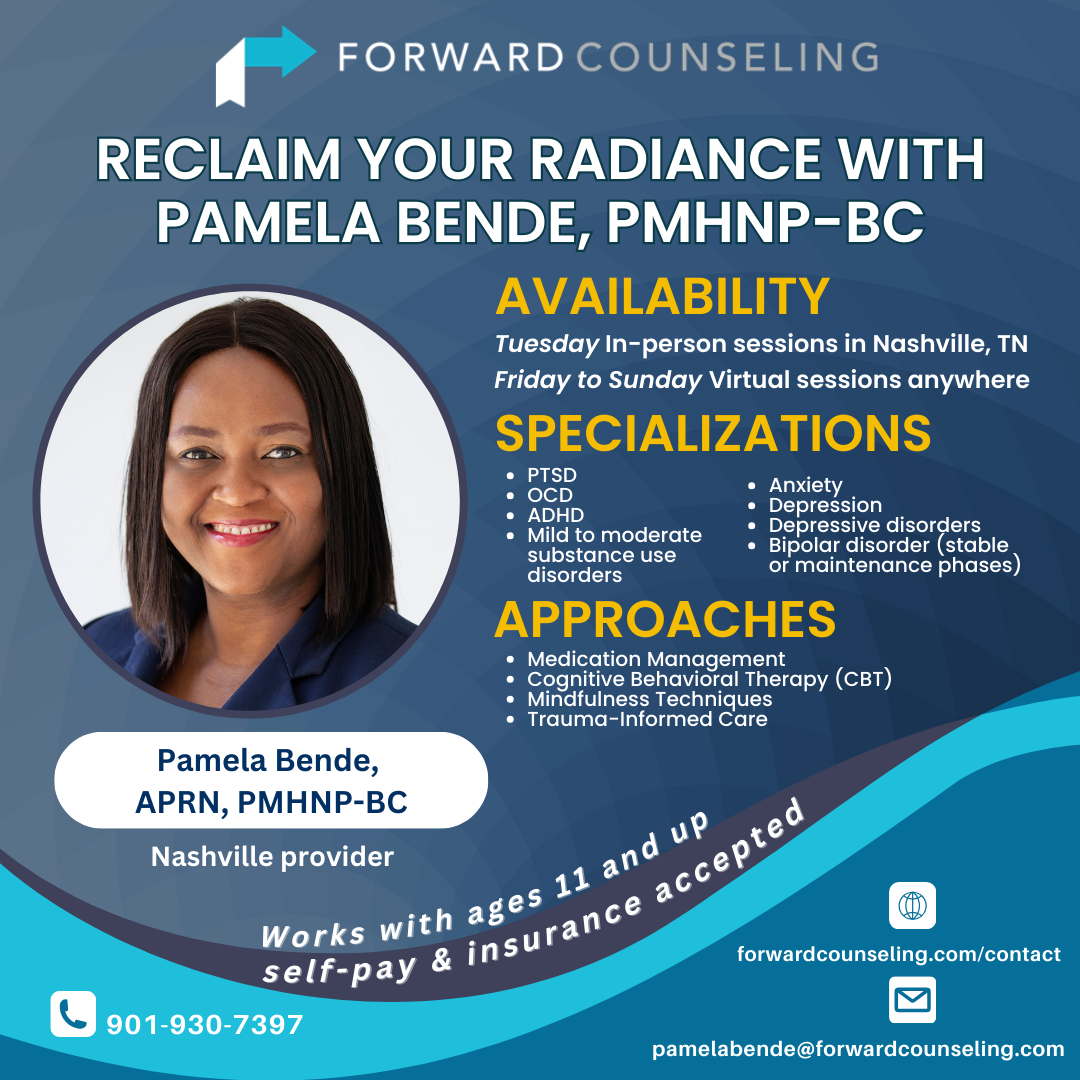
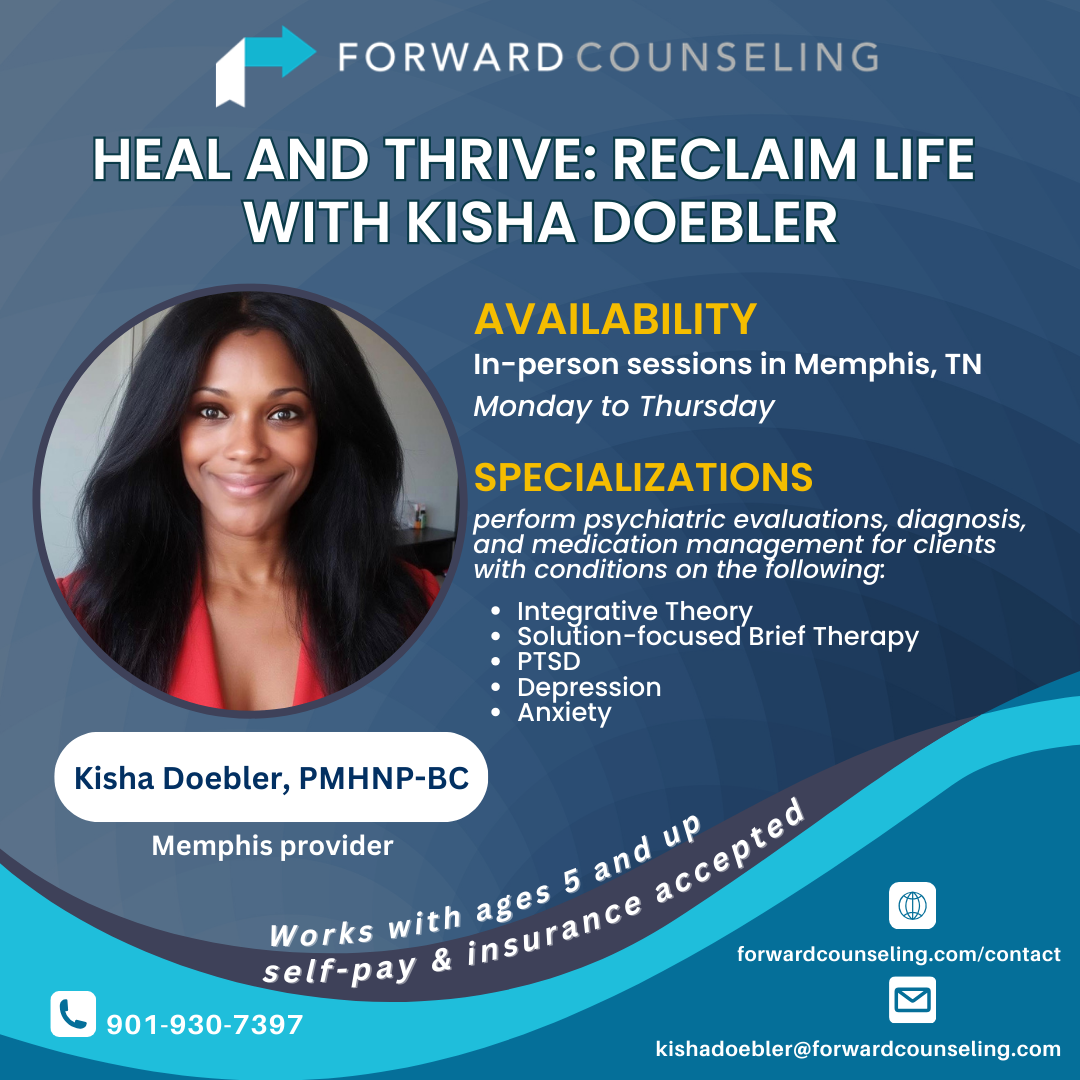
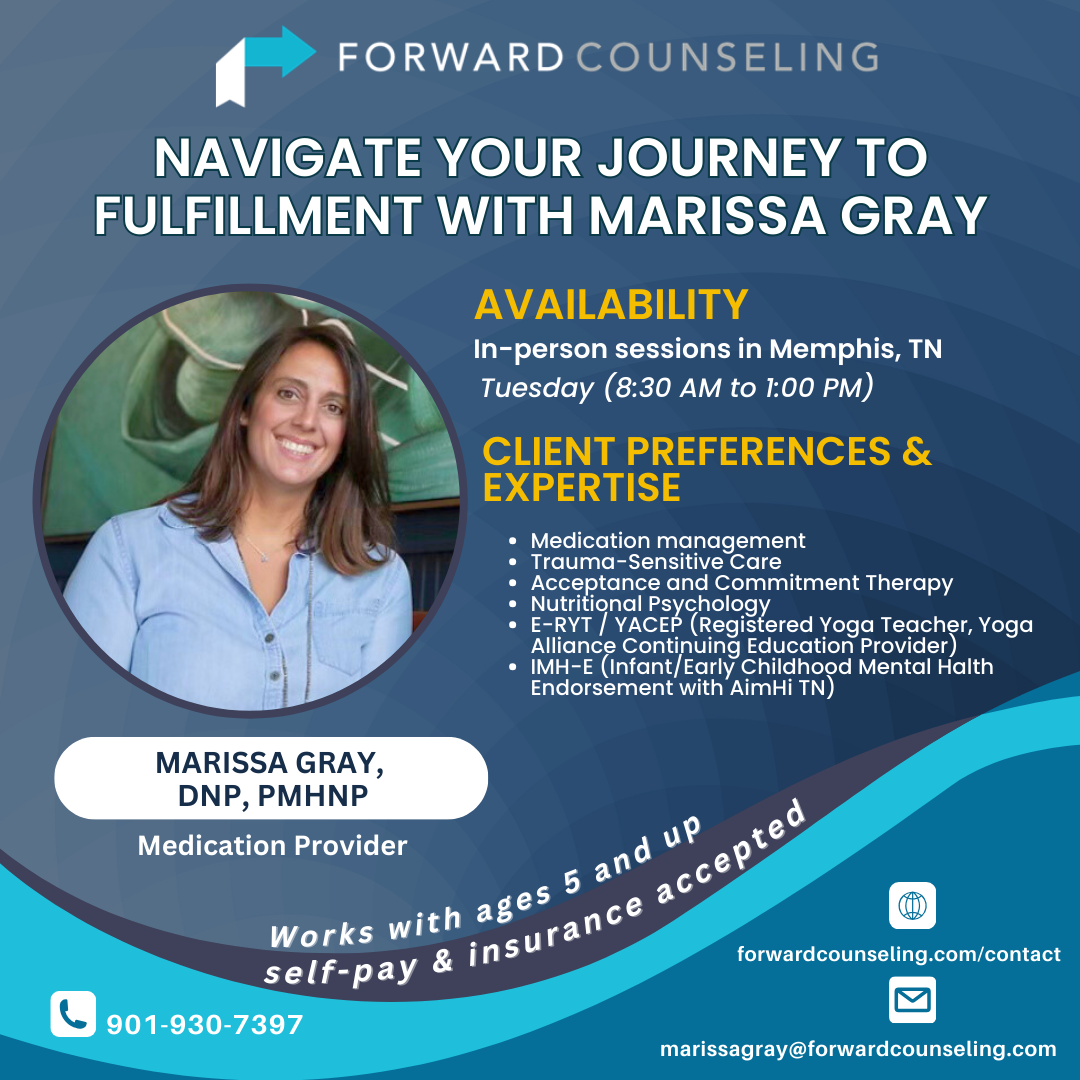
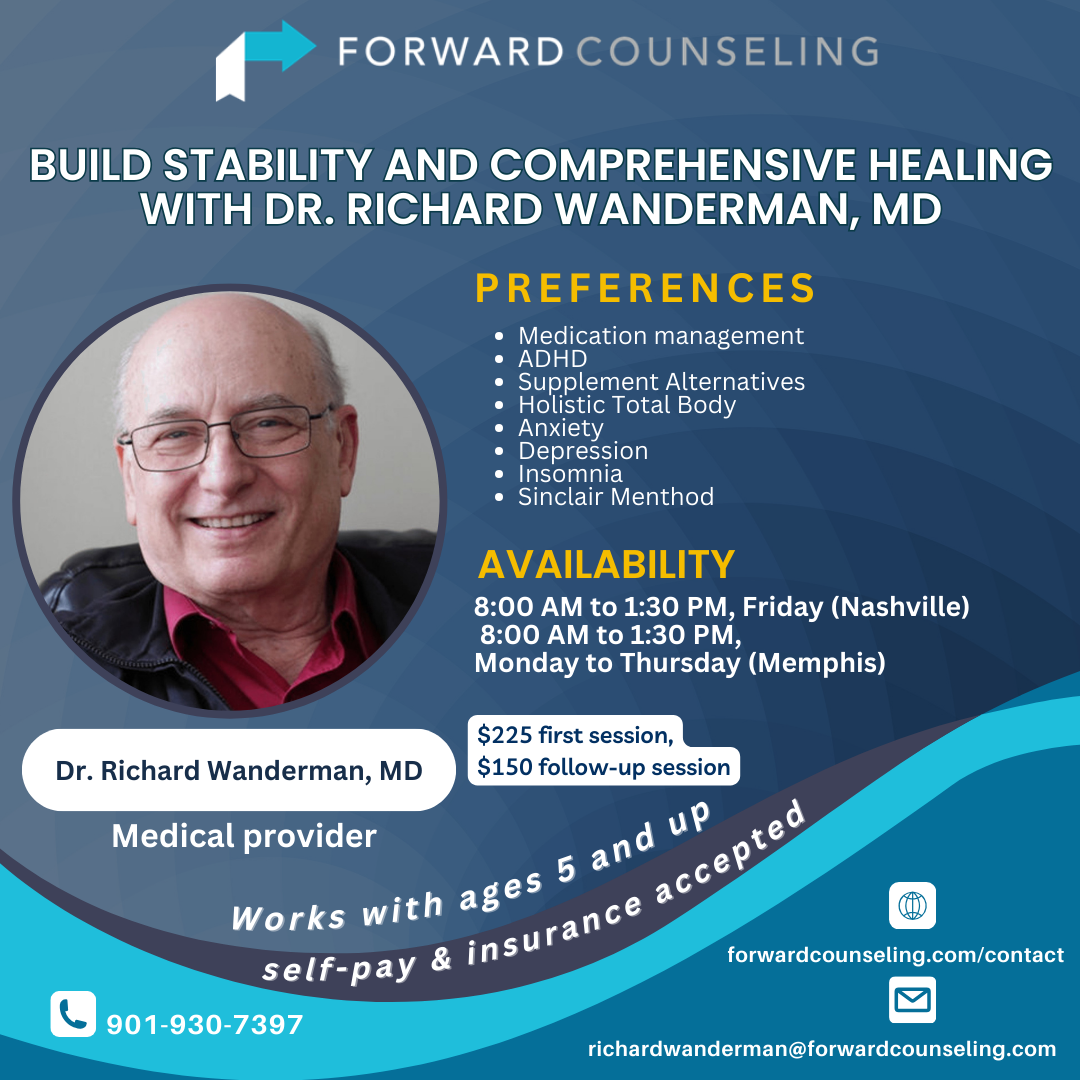
Choosing to utilize every tool in the toolbox—including medication—is a sign of strength and self-advocacy. Whether you are in Memphis or seeking virtual care across Tennessee, our team is here to help you build a personalized plan for your unique journey.